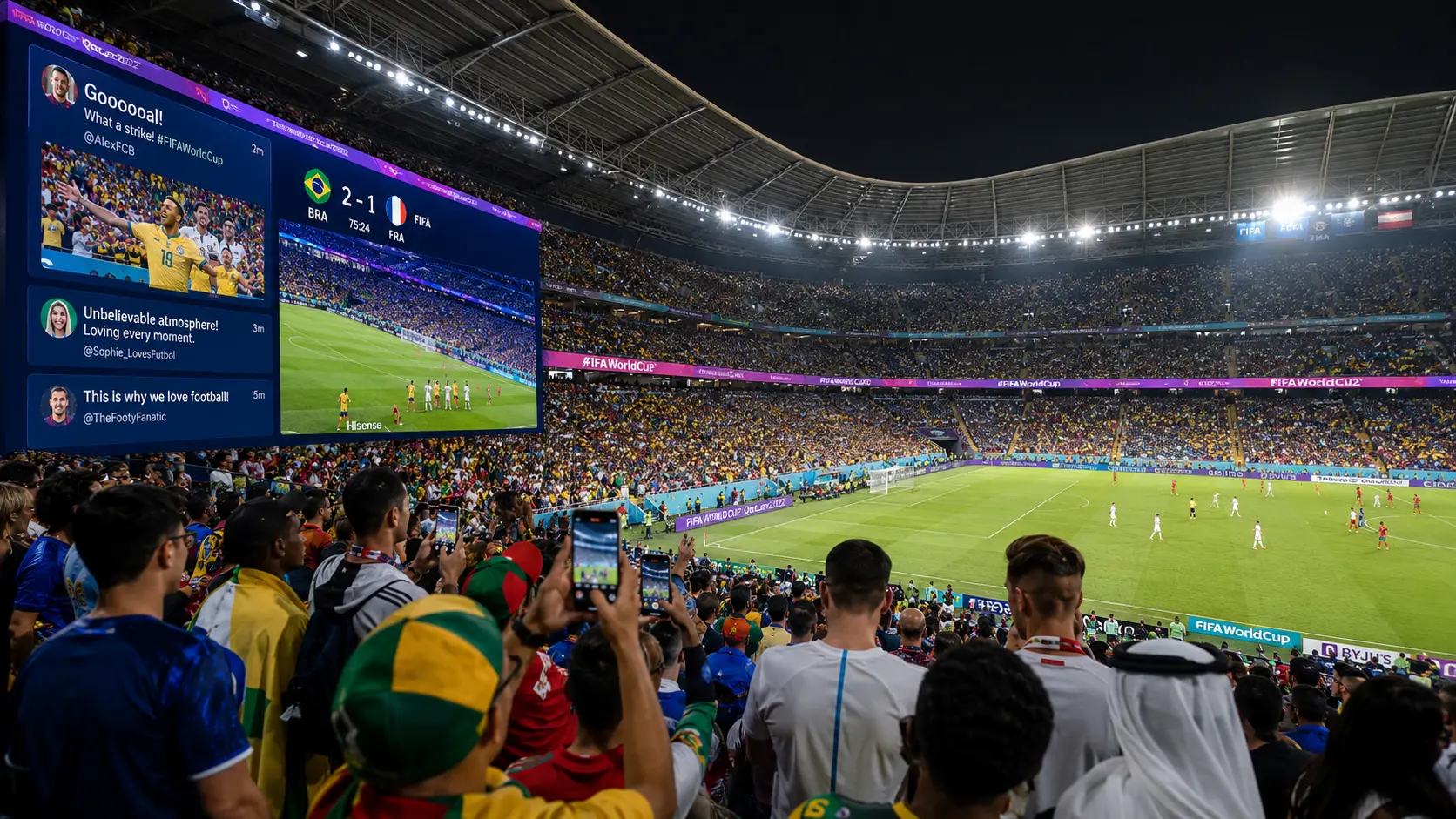
The world is preparing for the biggest FIFA World Cup in history.
In 2026, football's most celebrated tournament will expand to an unprecedented 48 teams and 104 matches hosted across the United States, Canada, and Mexico. While sports fans are eagerly waiting for the action on the pitch, marketers around the world are looking at something equally significant: one of the largest consumer engagement opportunities of the decade.
But unlike previous tournaments, the 2026 FIFA World Cup is not simply about broadcasting commercials during matches or placing logos around stadiums.
The rules of marketing have changed.
Consumers today expect brands to participate in conversations rather than interrupt them. They want experiences instead of advertisements. They value authenticity over polished corporate messaging. Most importantly, they reward brands that create genuine connections with communities and cultures.
This shift represents a major transformation in how businesses approach large-scale events.
For startups, small businesses, marketers, and enterprise brands alike, the 2026 FIFA World Cup offers valuable lessons about the future of customer engagement. The tournament is becoming a blueprint for how modern marketing works in a digital-first, community-driven world.
In this article, we'll explore how the 2026 FIFA World Cup is reshaping global marketing, what businesses can learn from the world's biggest sporting event, and how brands can apply these lessons to create meaningful customer relationships long after the final whistle blows.
Why the 2026 FIFA World Cup Represents a Marketing Turning Point
Every major sporting event generates marketing opportunities.
However, the 2026 FIFA World Cup is different because it combines three powerful forces simultaneously:
Massive scale
Digital-first audiences
Community-centered consumer expectations
Historically, brands approached sports sponsorships through visibility. Success was measured by television impressions, logo placements, and audience reach.
Today, visibility alone is no longer enough.
According to modern consumer behavior research, customers increasingly choose brands based on shared values, authenticity, and emotional connection rather than simple brand recognition.
The modern consumer journey is fragmented across dozens of platforms:
Instagram
TikTok
YouTube
Streaming services
Messaging apps
Online communities
Creator channels
This means marketers can no longer rely on a single campaign message distributed through one channel.
Instead, brands must create ecosystems of engagement that follow consumers wherever they spend their time.
The 2026 FIFA World Cup is accelerating this shift by creating a global event that lives simultaneously across physical venues, digital platforms, creator communities, and social conversations.
For marketers, this represents a major evolution:
From: Traditional advertising
To: Continuous audience participation
The brands that understand this transition will gain far more than tournament visibility—they will build long-term customer loyalty.
Scaling for Success: The Power of Expansion
One of the most important marketing opportunities surrounding the 2026 FIFA World Cup comes from its unprecedented scale.
The tournament's expansion from 32 teams to 48 teams creates more matches, more fans, more content opportunities, and more engagement windows than ever before.
For marketers, the shift in scale changes everything by moving the focus away from short-term campaigns centered on a few fleeting moments and toward sustained engagement strategies that span months. This extended timeline offers a wealth of opportunities for businesses of all sizes to maintain a presence throughout the tournament.
Whether it is a local restaurant in New York hosting match-day experiences, a Canadian apparel startup launching a fan-focused content series, an Indian sportswear company connecting with international football communities, or a SaaS company leveraging tournament themes to engage a global audience, the sheer volume of matches ensures that fans remain invested for much longer.
This presents a significant departure from traditional event marketing, where brands typically experience a brief, intense spike in attention followed by a rapid decline. In contrast, the expanded structure of the 2026 World Cup provides ongoing momentum that allows for repeated, meaningful touchpoints throughout the entire customer journey. By tapping into this continuous rhythm, brands can nurture deeper relationships with their audience, moving beyond the noise of a single event to build lasting relevance that persists well after the final whistle.
Each match creates:
New conversations
New content opportunities
New fan stories
New emotional moments
New engagement triggers
This allows marketers to move beyond one-time promotions and develop long-term storytelling strategies.
The concept is simple:
The longer consumers remain emotionally invested in an event, the greater the opportunity for brands to build meaningful relationships.
Successful marketers will focus less on isolated campaigns and more on creating connected experiences that evolve throughout the tournament.
The Shift from Advertising to Experience Marketing
Perhaps the most significant lesson from the 2026 FIFA World Cup is the growing importance of experience-driven marketing.
Traditional advertising follows an interruption model.
A consumer watches content.
A brand interrupts.
The consumer returns to content.
This approach is becoming less effective.
Consumers are increasingly ignoring ads, skipping commercials, blocking promotions, and filtering marketing messages from their daily lives.
What they cannot ignore are experiences they actively choose to participate in.
This is why leading brands are changing their approach.
Instead of simply promoting products, companies are creating environments where consumers become participants.
Sports marketing provides an ideal example.
Rather than displaying a football boot advertisement, a brand may:
Create fan challenges.
Launch interactive digital competitions.
Develop athlete-led storytelling series.
Build online communities around football culture.
Encourage user-generated content.
Facilitate local fan events.
The objective is no longer visibility alone.
The objective is involvement.
This distinction is critical.
Consumers remember experiences far longer than advertisements.
When people participate in a challenge, share content, attend an event, or contribute to a community, they become emotionally invested.
That emotional investment strengthens brand affinity.
This strategy aligns closely with psychological principles of engagement.
People value what they help create.
The more involved consumers become in a brand experience, the stronger their connection to the brand itself.
The 2026 FIFA World Cup provides countless opportunities for this kind of participation.
Brands that focus on interaction rather than interruption will capture significantly more attention.
Read Also: How to Build a Simple Marketing Workflow That Doesn't Break
Case Study: A US Small Business Leveraging Community-Driven Sports Marketing
Imagine a mid-sized sports apparel startup based in Austin, Texas.
Initially, the company follows a traditional advertising strategy.
They run paid social campaigns promoting football merchandise during major matches.
Results are average:
Rising acquisition costs
Limited customer retention
Low engagement rates
Weak brand differentiation
As the World Cup approaches, the company changes direction.
Instead of focusing solely on products, they launch a community initiative called "Local Football Stories."
The campaign encourages fans to share personal football experiences through video submissions.
Weekly winners receive merchandise and feature placements on the company's social channels.
The result is transformative.
Customers become contributors rather than buyers.
Engagement increases dramatically because fans feel personally connected to the campaign.
User-generated content reduces creative production costs while increasing authenticity.
Most importantly, the company creates emotional value beyond the products themselves.
This example illustrates a key marketing lesson:
Communities outperform campaigns.
The most successful World Cup marketing efforts will focus on creating belonging rather than broadcasting promotions.
The Psychology Behind Participation Marketing
Why does participation work so effectively?
The answer lies in consumer psychology.
Humans are naturally social.
People seek:
Identity
Recognition
Belonging
Shared experiences
Sports events amplify these desires because they create collective emotional moments.
Fans celebrate victories together. They discuss matches online. They share opinions. They create memes. They join conversations.
When brands facilitate these interactions rather than dominate them, they become part of the cultural experience.
Research consistently shows that emotional engagement drives stronger brand loyalty than rational persuasion alone.
Customers may forget a promotional offer.
They rarely forget how a brand made them feel.
This is why participation marketing is becoming increasingly important not only during the World Cup but across all industries.
Whether you operate a local business, an ecommerce brand, a software company, or a service-based organization, creating opportunities for audience participation can significantly improve engagement and retention.
The future belongs to brands that build communities, not just audiences.
The Digital-First Fanbase: Understanding the Modern World Cup Audience
If the 2014 and 2018 World Cups were largely television-driven events and the 2022 tournament represented a major social media moment, the 2026 FIFA World Cup will be remembered as the first truly digital-first World Cup.
This shift matters because audience behavior has fundamentally changed.
Today's football fans do not consume content in a linear way. They rarely sit through entire broadcasts without simultaneously engaging with other platforms. A single match may be experienced through multiple channels at the same time:
A fan watches the game on television or a streaming platform.
They react to key moments on X, Instagram, or Threads.
They watch creator analysis on YouTube.
They participate in conversations on Reddit and fan communities.
They share memes in WhatsApp groups.
They follow athlete updates through social media stories.
For marketers, this means attention is no longer concentrated in one place.
Instead, attention is distributed across an ecosystem of digital touchpoints. The brands that succeed during the 2026 FIFA World Cup will not be those with the biggest advertising budgets alone. They will be the brands capable of creating content that travels naturally across multiple platforms and remains relevant throughout the fan journey.
The challenge is no longer reaching consumers. The challenge is staying relevant wherever consumers choose to spend their attention.
Why Omnichannel Marketing Will Define World Cup Success
The biggest mistake businesses make is treating marketing channels as isolated silos, launching disconnected campaigns across Instagram, Facebook, email, and paid ads. This fragmented approach fails to resonate with modern consumers, who experience brands holistically and expect a consistent narrative regardless of where they interact. By contrast, an effective omnichannel strategy ensures that every touchpoint from a teaser video on Instagram and behind-the-scenes content on TikTok to exclusive emails and dedicated website hubs contributes to a unified story. During major events like the World Cup, this coordinated effort allows brands to meet customers exactly where they are, adapting to their behavior rather than forcing them into a single platform.
For small businesses and startups, adopting an omnichannel approach is a powerful way to compete with industry giants without needing a massive advertising budget. Because these brands prioritize a cohesive, well-integrated message, they can often outperform larger competitors whose efforts remain disjointed and scattered. Ultimately, by creating fluid experiences that support a central theme across all channels, companies can foster deeper engagement and build a stronger, more recognizable presence in a rapidly shifting digital landscape.
Read Also: What is Omnichannel Marketing?
The Rise of Creator-Led Marketing and Influencer Communities
Another defining characteristic of the 2026 FIFA World Cup marketing landscape is the surging influence of creators, who are reshaping how brands connect with audiences. While traditional advertising often feels like a corporate lecture, creators foster a genuine dialogue, building trust through authentic opinions, expert analysis, and relatable cultural commentary.
Modern football fans gravitate toward these voices because they offer a sense of community and connection that faceless corporate messaging cannot replicate. Consequently, leading sports brands are shifting their strategies, moving away from generic celebrity endorsements in favor of partnerships with niche creators who have cultivated highly engaged, loyal followings.
For small and medium-sized businesses, this shift toward creator-led marketing is an immense opportunity rather than a barrier. Many SMBs mistakenly believe that influencer marketing is out of reach due to budget constraints, but focusing on micro-influencers often yields superior results by providing access to deeply invested, targeted communities. As the World Cup approaches, the most successful marketers will prioritize the quality of these connections over raw follower counts, recognizing that true impact comes from credibility. When a trusted creator naturally integrates a brand into their content, they don't just generate exposure; they create a meaningful bridge between the product and a highly receptive audience.
Hyper-Engagement: Meeting Audiences Where They Already Are
One of the most fascinating shifts in modern marketing is the move from broad, mass communication to the nuanced strategy of hyper-engagement. Rather than broadcasting the same generic message to every consumer, brands are now focusing on deep relevance by tailoring content to specific interests, behaviors, and unfolding cultural moments. Major events like the World Cup are perfect catalysts for this approach, as brands can tap into the immediate energy of goal celebrations, unexpected tournament upsets, or viral player interviews to become an organic part of the excitement.
However, executing this strategy requires more than just reacting quickly; it demands a keen understanding of context. Consumers are remarkably perceptive and can easily spot when a brand is merely forcing itself into a trending conversation without actually adding any value. To be effective, campaigns must contribute something substantial, whether it is humor, fresh insight, entertainment, or genuine community support rather than simply trying to hijack the spotlight.
Ultimately, successful marketers recognize that relevance is a privilege earned through active participation rather than interruption. This principle holds true for everyone from global corporations to small local businesses, as the core objective remains consistent regardless of scale. By prioritizing meaningful interaction over noise, brands can successfully embed themselves into the ongoing conversations that their audiences already care about, fostering a much deeper and more authentic connection.
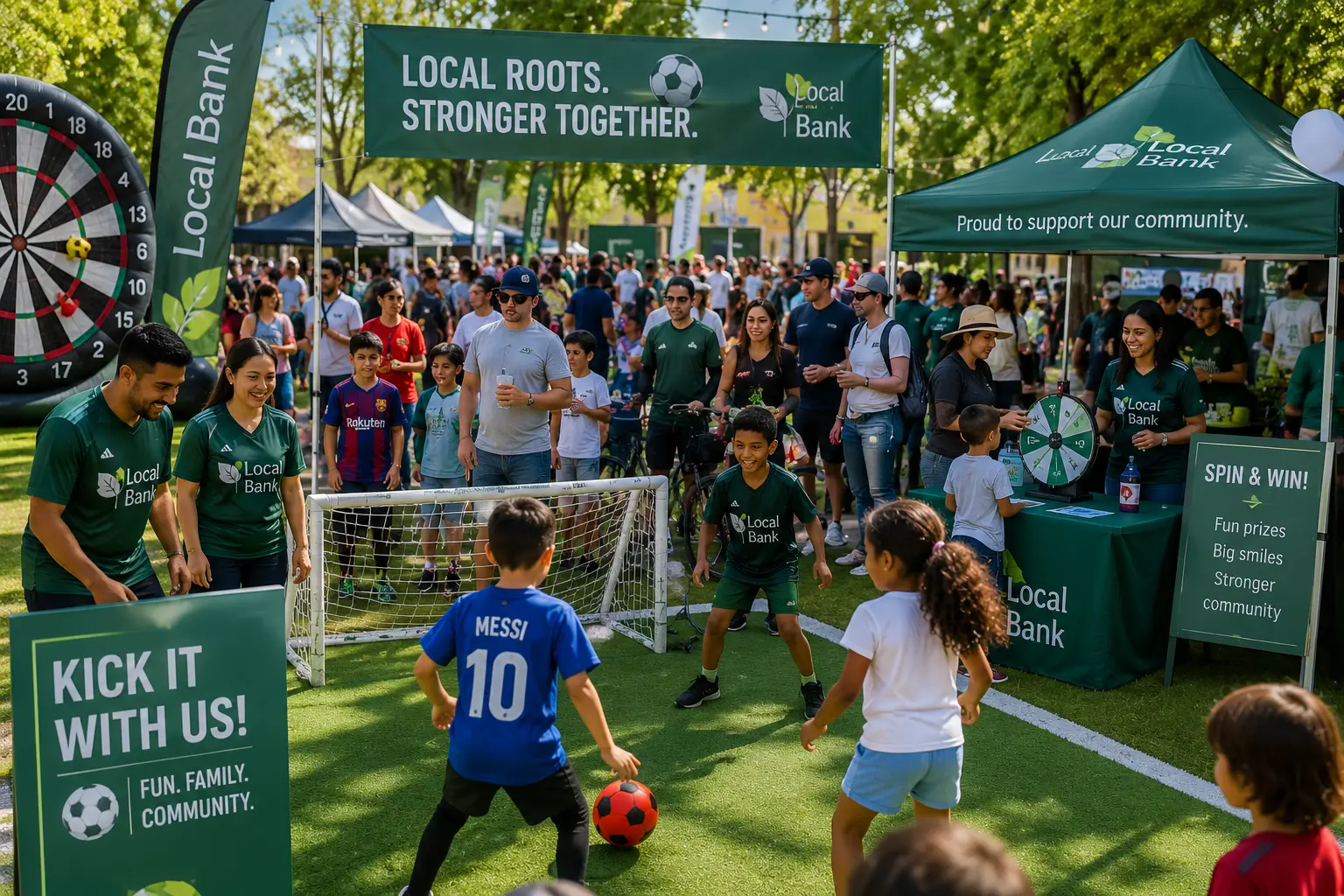
Case Study: How an Indian Brand Could Leverage the 2026 FIFA World Cup
Consider a growing Indian sportswear company targeting young football enthusiasts.
Historically, the company focused on product-centric promotions:
Discount campaigns.
Product launches.
Seasonal sales.
While these efforts generated revenue, customer engagement remained limited.
As the 2026 FIFA World Cup approaches, the company adopts a different strategy.
Instead of emphasizing products, it builds a football culture platform.
The campaign includes:
Weekly fan stories.
Regional football community spotlights.
Creator collaborations.
Football training content.
Local tournament sponsorships.
Multilingual social media engagement.
The focus shifts from selling merchandise to celebrating football culture.
As a result, customers begin associating the brand with their passion for the sport rather than simply viewing it as a retailer.
Engagement increases.
Community participation grows.
Customer loyalty strengthens.
Most importantly, the company creates a long-term brand asset that extends beyond the tournament itself.
This example demonstrates an important lesson:
The most successful World Cup campaigns are not about football.
They are about people who love football.
The Value of Community in Modern Marketing
Community has become one of the most powerful competitive advantages available to businesses.
Advertising can be copied.
Products can be replicated.
Pricing can be matched.
Communities are much harder to duplicate.
A strong community creates emotional connections that competitors cannot easily replace.
This is why many of the world's fastest-growing brands invest heavily in audience development rather than focusing exclusively on customer acquisition.
The World Cup naturally creates communities around national teams, players, cities, cultural identities, and shared experiences.
Local businesses can leverage these communities by creating spaces where fans connect with one another.
This could include:
Online discussion groups.
Interactive content series.
Fan events.
User-generated content campaigns.
Local partnerships.
Educational resources.
The objective is to facilitate interaction rather than dominate it.
When customers interact with each other around a shared interest, the brand becomes a trusted part of that experience.
Over time, this creates stronger loyalty than traditional promotional tactics.
Cultural Relevance: The New Currency of Global Marketing
The 2026 FIFA World Cup will bring together audiences from dozens of countries and cultural backgrounds.
This diversity creates incredible opportunities, but it also introduces new challenges.
Modern consumers expect brands to understand and respect cultural differences.
Generic messaging is becoming increasingly ineffective.
Today's audiences respond more positively to campaigns that reflect their local realities, languages, traditions, and values.
This is why culturally relevant marketing is gaining importance worldwide.
Successful brands are investing in:
Multilingual content.
Localized storytelling.
Regional partnerships.
Diverse representation.
Community-focused initiatives.
Authentic cultural engagement.
Rather than creating one global message and distributing it everywhere, leading marketers are adapting campaigns to resonate with specific audiences.
The World Cup provides a perfect environment for this strategy because fans naturally connect with cultural identity.
Brands that acknowledge and celebrate those identities create stronger emotional connections.
Brands that ignore them risk becoming irrelevant.
Learning from Community-Focused Initiatives
One of the clearest examples of modern marketing evolution is the growing emphasis on corporate social responsibility and community support.
Consumers increasingly evaluate brands based on their actions rather than their messaging.
They want to know:
Does this company support communities?
Does it contribute positively to society?
Does it create meaningful impact?
Campaigns that support local businesses, youth sports programs, community development, and social initiatives often generate stronger engagement than purely promotional efforts.
This trend reflects a broader shift in consumer expectations.
People want brands to stand for something.
The 2026 FIFA World Cup provides an opportunity for companies to demonstrate these values through meaningful action.
Supporting local communities is no longer simply a public relations strategy.
It is becoming a competitive advantage.
Brands that invest in genuine community impact are often rewarded with stronger trust, loyalty, and advocacy.
Read Also: 5 steps to build a strong personal brand for your business
A Practical Community-Building Framework for SMBs
Many small businesses mistakenly assume that building a community requires a massive marketing budget, but the truth is that consistency is far more valuable than capital. The most effective approach is to shift the focus away from the product itself and toward a shared interest that brings your audience together. By creating opportunities for active participation, you can invite your customers into the fold, turning them from passive observers into genuine contributors.
Whether you are highlighting their stories, encouraging user-generated content, or simply recognizing their voices in ongoing conversations, the goal is to foster a sense of shared ownership.
When people feel they have a personal stake in a community, their loyalty to the brand behind it grows exponentially. This shift toward participant-driven marketing is not just a trend; it is a fundamental strategy that will be essential for success during the 2026 FIFA World Cup and beyond. By measuring genuine engagement rather than just vanity metrics like impressions, your brand can move beyond simple transactions and cultivate a dedicated following. Ultimately, when your audience feels seen and valued, they stop being mere customers and become the strongest advocates your business will ever have.
A Strategic Marketing Framework for Brands Preparing for the 2026 Era
While the FIFA World Cup itself is a once-every-four-years event, the marketing lessons emerging from it will influence brand strategy for years to come.
The most successful organizations are not treating the tournament as a temporary campaign opportunity. Instead, they are using it as a model for how modern audiences engage with brands.
To capitalize on this shift, businesses need a practical framework that transforms marketing from promotional activity into relationship building.
A simple but effective framework can be summarized in five stages:
Attention → Participation → Community → Trust → Advocacy
Traditionally, marketing efforts focused heavily on the first stage: attention.
Brands invested significant resources in generating impressions, clicks, and visibility. While attention remains important, it is no longer enough on its own.
The brands winning in today's environment focus on what happens after attention is captured.
Once consumers discover a brand, they should be encouraged to participate. This could happen through content engagement, interactive campaigns, community discussions, contests, events, or user-generated content.
Participation gradually evolves into community.
Community creates trust.
Trust generates loyalty.
Loyal customers eventually become advocates who willingly promote the brand to others.
This model is particularly relevant during major cultural events like the World Cup because audiences are already emotionally engaged and highly active online.
The key lesson is simple:
The future of marketing belongs to brands that create experiences people want to join rather than advertisements people want to avoid.
Common Marketing Mistakes Brands Should Avoid During Major Events
Large global events often create excitement among marketers. Unfortunately, they also lead to costly mistakes.
Many businesses rush to launch campaigns without a clear strategy, assuming event-related visibility automatically translates into results.
In reality, several common mistakes prevent brands from maximizing opportunities.
The first mistake is focusing exclusively on short-term exposure.
Many campaigns generate temporary attention but fail to build long-term customer relationships.
A successful World Cup strategy should continue delivering value even after the tournament ends.
The second mistake is prioritizing promotion over engagement.
Consumers are increasingly resistant to constant sales messaging. Brands that focus exclusively on products often struggle to maintain attention.
The third mistake is ignoring cultural context.
Global audiences expect thoughtful communication. Generic messaging frequently feels disconnected and irrelevant.
The fourth mistake is treating every platform the same.
What works on TikTok may not work on LinkedIn. What resonates on Instagram may not perform well in email marketing.
Each channel requires its own approach while supporting a consistent brand narrative.
The fifth mistake is failing to measure meaningful outcomes.
Many organizations focus solely on impressions and reach.
While these metrics provide useful information, they rarely tell the full story.
Modern marketers should also track:
Engagement quality
Community growth
Customer retention
Brand sentiment
Conversion pathways
Lifetime customer value
These indicators provide a more accurate picture of marketing effectiveness.
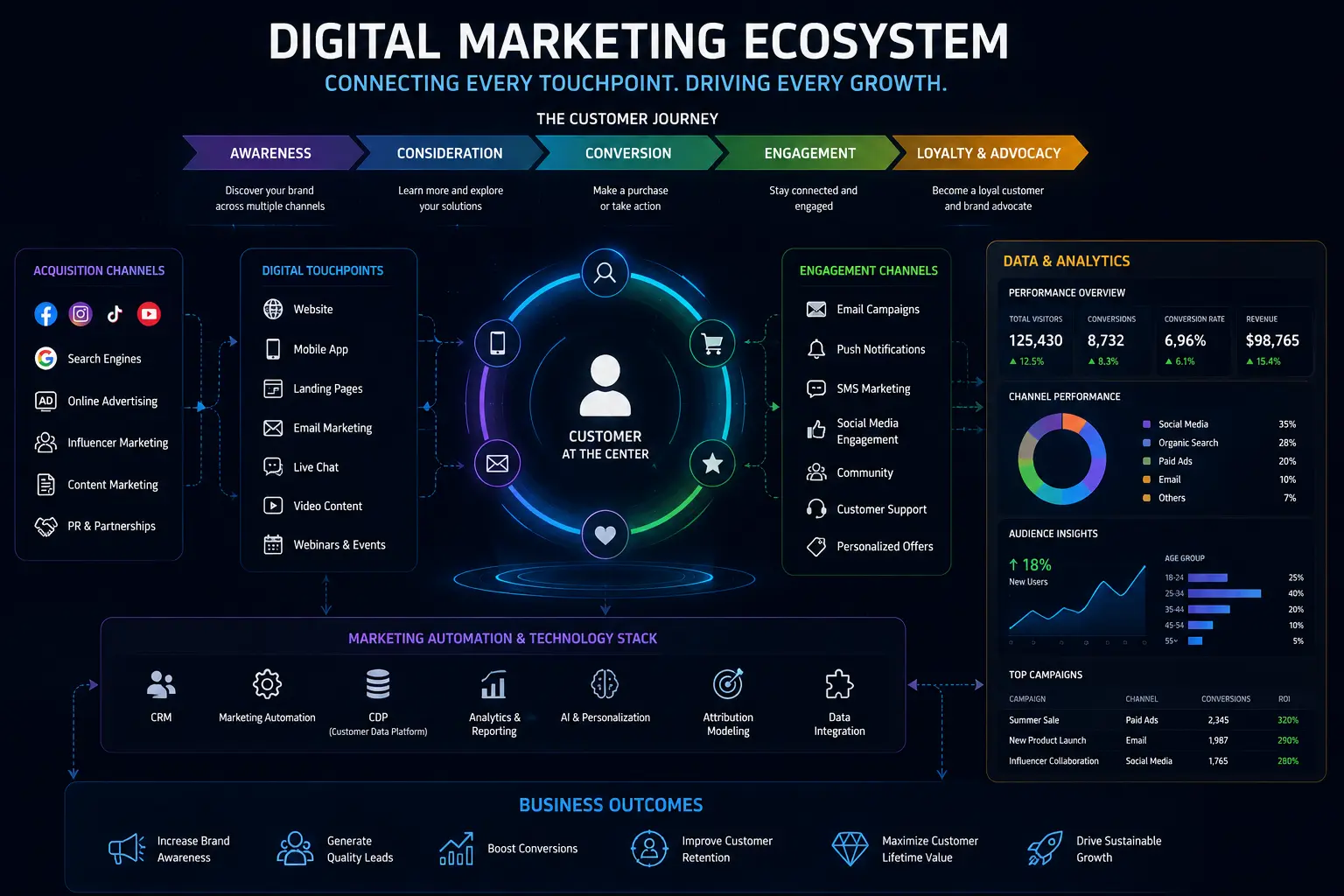
Future Trends: What Happens After the 2026 FIFA World Cup?
One reason the 2026 FIFA World Cup is so important for marketers is that it provides a glimpse into the future.
The trends emerging around the tournament are not temporary.
They reflect broader shifts in consumer behavior that will continue shaping marketing throughout the next decade.
Several trends stand out.
AI-Powered Personalization
Consumers increasingly expect personalized experiences.
Artificial intelligence is enabling brands to deliver relevant content, recommendations, and interactions at scale.
Rather than broadcasting a single message to everyone, marketers can create highly tailored experiences based on customer behavior and interests.
Community-Led Growth
Communities are becoming growth engines.
Brands that successfully build engaged communities often experience stronger retention, higher referral rates, and lower acquisition costs.
This trend is likely to accelerate as consumers seek more authentic interactions online.
Short-Form and Interactive Content
Attention spans continue to evolve.
Short-form video, interactive storytelling, polls, quizzes, and live experiences are becoming increasingly important.
Future campaigns will focus less on static communication and more on active participation.
Creator-Driven Ecosystems
Influencers are evolving into media businesses.
Many creators now command highly engaged audiences comparable to traditional media channels.
Partnerships with creators will become a core component of modern marketing strategies.
Purpose and Authenticity
Consumers expect businesses to contribute positively to society.
Authenticity, transparency, and meaningful community involvement will continue influencing purchasing decisions.
Brands that align actions with values will gain significant competitive advantages.
The organizations that adapt to these trends early will be better positioned to thrive long after the World Cup concludes.
How Ontogen Digital Helps Businesses Win in the New Marketing Landscape
At Ontogen Digital, we believe successful marketing is not about chasing trends.
It is about understanding human behavior, identifying opportunities, and building systems that create sustainable business growth.
The marketing lessons emerging from the 2026 FIFA World Cup reinforce many of the principles we apply when helping businesses scale.
Our approach combines strategy, creativity, technology, and performance-driven execution.
Strategic SEO That Builds Long-Term Visibility
Search remains one of the most powerful customer acquisition channels available.
Our SEO services focus on helping businesses improve visibility, attract qualified traffic, and establish authority within their industries.
Rather than pursuing rankings alone, we focus on creating content ecosystems that support long-term growth and customer engagement.
Performance-Driven PPC and Advertising Campaigns
Paid advertising remains a critical component of modern marketing when executed strategically.
Our PPC and advertising solutions help businesses reach the right audience at the right time through data-driven campaign management and optimization.
The goal is not simply generating clicks.
The goal is generating meaningful business outcomes.
Content Marketing That Creates Engagement
Content plays a central role in community building and brand development.
Through our content marketing services, we help businesses create educational, engaging, and conversion-focused content that resonates with modern audiences.
Whether through blogs, social media, video content, or storytelling campaigns, the objective remains the same:
Build trust through value.
Web Development Built for Modern Customer Journeys
A website is no longer a digital brochure.
It is the foundation of the customer experience.
Our web development services focus on creating user-friendly, high-performing websites that support business objectives while delivering exceptional customer experiences.
Creative CGI and Visual Storytelling
As digital competition increases, creative differentiation becomes essential.
Our CGI and creative services help brands stand out through visually compelling experiences designed to capture attention and encourage engagement.
Why Small Businesses Should Pay Attention to World Cup Marketing Lessons
Many small business owners assume that FIFA World Cup marketing lessons only apply to multinational corporations.
That assumption is incorrect.
The most important lessons from the tournament are not about sponsorship budgets.
They are about customer behavior.
Consumers are increasingly seeking:
Authenticity
Participation
Community
Personalization
Cultural relevance
Meaningful experiences
These expectations apply equally to local businesses, startups, e-commerce brands, service providers, and enterprise organizations.
A neighborhood restaurant can build community.
A startup can create engaging content.
A service business can foster customer advocacy.
A local retailer can leverage cultural relevance.
The underlying principles remain the same regardless of company size.
The businesses that understand these shifts will gain a significant advantage in increasingly competitive markets.
Frequently Asked Questions (FAQ)
Why is the 2026 FIFA World Cup important for marketers?
The tournament is the largest FIFA World Cup ever, creating unprecedented opportunities for audience engagement, brand storytelling, and community-driven marketing across multiple channels.
How is World Cup marketing different from traditional advertising?
Modern World Cup marketing focuses on participation, experiences, and community building rather than simply displaying advertisements to large audiences.
Can small businesses benefit from World Cup marketing lessons?
Yes. The key lessons revolve around customer engagement, content creation, community development, and authenticity, all of which can be implemented by businesses of any size.
What role do influencers play in modern sports marketing?
Influencers and creators help brands build trust, reach niche communities, and engage audiences through authentic storytelling and interactive content.
Why is cultural relevance important in global marketing?
Consumers respond more positively to brands that understand local cultures, languages, values, and experiences. Cultural relevance strengthens emotional connections and brand trust.
What is omnichannel marketing?
Omnichannel marketing creates a seamless customer experience across multiple platforms, ensuring consistent messaging regardless of where audiences interact with a brand.
How can businesses prepare for future marketing trends?
Organizations should focus on personalization, community building, content creation, data-driven decision-making, and customer-centric experiences to remain competitive.
Conclusion: The Real Marketing Lesson Behind the 2026 FIFA World Cup
The 2026 FIFA World Cup represents far more than a global sporting spectacle; it marks a significant shift in how brands connect with consumers. With an expanded tournament format, a digitally native audience, and growing expectations around authenticity and community involvement, the event highlights the evolution of marketing from simple brand exposure to meaningful audience engagement. The companies that stand out will not necessarily be those with the largest budgets but those that successfully create experiences, foster participation, and become part of the conversations their audiences genuinely care about.
As consumer behavior continues to evolve, the lessons emerging from the 2026 World Cup extend well beyond sports marketing. Businesses of every size can apply these principles by focusing on community building, culturally relevant storytelling, omnichannel content strategies, and customer-first experiences. Whether it's a local startup, a growing eCommerce brand, or an established company, the opportunity lies in creating deeper relationships rather than relying solely on traditional advertising methods. In an increasingly competitive digital landscape, brands that prioritize connection over promotion will be better positioned to earn trust, loyalty, and long-term growth.
The future of marketing belongs to businesses that understand people, not just platforms. The 2026 FIFA World Cup offers a glimpse into that future, where engagement, authenticity, and shared experiences drive meaningful brand success. If your business is looking to strengthen its digital presence, build a stronger connection with customers, and develop a marketing strategy designed for the modern consumer, Ontogen Digital is ready to help. How is your brand planning to engage with the opportunities created by the 2026 FIFA World Cup? Let's start the conversation and build a strategy that delivers results long after the final whistle.